
Eye Drops for Dry Eyes: How Eye Drops Manage and Treat Dry Eyes
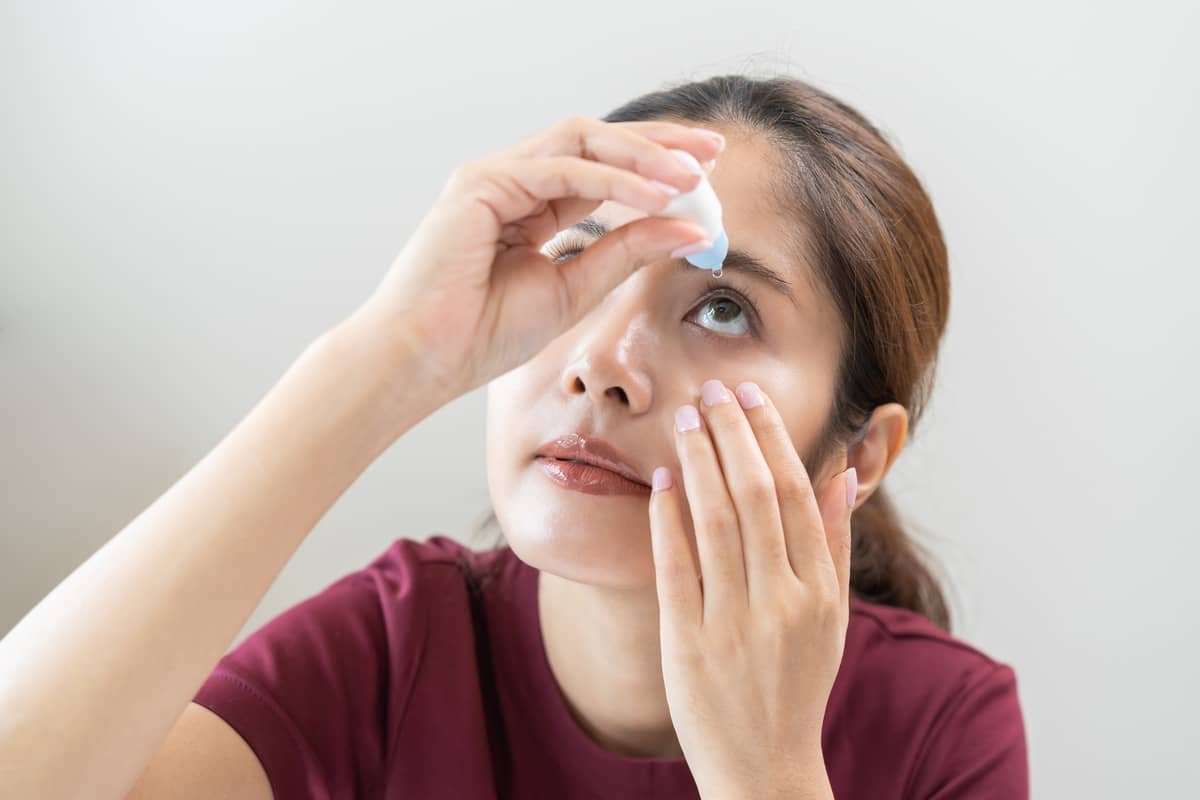
Eye drops are one of the most popular choices for managing and treating symptoms of dry eyes. There are many types of eye drops for dry eyes and ways to use them, which we know can get confusing.
Here, we’ll clear up how eye drops work and tips on how to use them to get the best results.
Key Summary
Eye drops can lubricate your eyes and help reduce irritation, promote moisture retention, as well as preventing tears from evaporating too quickly
Eye drops work by mimicking components of real tears to help protect and hydrate the eyes
Overusing eye drops that contain preservatives may have the opposite effect, where the preservative causes irritation
Preservative-free eye drops are gentler and can be used throughout the day without causing irritation
Eye drops are often part of a larger treatment plan for dry eyes
The best eye drops depend on the individual and type of dry eye disease you have and your symptoms
It is important to follow your optometrist’s recommendations on the best type of eye drops for you and how often to use them
What Are Lubricating Eye Drops
Lubricating eye drops are hydrating solutions meant to provide moisture and soothing relief to irritated, dry eyes.
Known as artificial tears, lubricating eye drops add moisture to help temporarily hydrate the eyes and reduce discomfort. They are complex formulations, not just saline eye drops.
You May Also Like: What is Dry Eyes - Everything You Need to Know
How Do Lubricating Eye Drops Work to Treat Dry Eye Syndrome?
Lubricating eye drops work by mimicking real tears to moisturise the eyes and prevent tears from evaporating too quickly.
This helps promote a more stable tear film to temporarily provide relief from dry eyes and protect the eye’s surface.
Types of Eye Drops
Prescription Eye Drops
Prescription eye drops can only be offered to you by a doctor or optometrist. Different types of prescription eye drops can address different symptoms and types of dry eye disease. An evaluation by your optometrist is the best way to find the ideal eye drops for your needs.
Over-the-Counter Eye Drops
Over-the-counter eye drops can be purchased without a prescription. Artificial tears are meant to mimic real tears and provide temporary relief from dry eye symptoms.
How Often Should You Use Eye Drops to Help Manage Dry Eye?
How often you should use eye drops depends on the type of dry eye you have and your optometrist’s recommendations.
Prescription dry eye drops will have detailed instructions on how often to use them.Always follow your optometrist’s recommendations.
Generally, eye drops without preservatives (preservative-free) are recommended in favour of drops that contain preservatives. For individuals who use artificial tears more than four times a day, preservative-free formulas are usually a better option.
Using Artificial vs. Preservative-Free Eye Drops
Some individuals may find temporary relief from artificial tears, but we recommend paying attention to the ingredients in your eye drops.
Overusing eye drops with preservatives, such as benzalkonium chloride (BAK), can cause irritation to the eye’s surface. This can worsen dryness and discomfort rather than providing relief.
This is why we recommend preservative-free eye drops for individuals who:
Have sensitive eyes
Wear contact lenses
Need frequent application (more than four times a day)
Have chronic dry eyes
Benefits of Eye Drops for Dry Eyes
Eye drops can help:
Restore balance
Keep your eyes more comfortable
Promote moisture retention
Hydrate the eye’s surface
Reduce irritation and discomfort
Enhance tear film stability
Replenish the tear film’s oil layer
Prevent tears from evaporating too fast
You May Also Like: What Happens If You Don’t Treat Dry Eyes?
Eye Drops for Dry Eyes
We stock a range of eye drops in our clinic to ensure we have effective options for all types of dry eye.
VitA-POS
Why we like VitA-POS eye ointment: Preservative-free, intensive moisture, and gentle tear film support
Uses and Benefits: Provide overnight relief for dry eyes with intensive hydration and support for the tear film; Ideal for combatting more severe dry eyes
When to use: Overnight
Nova Tears Eye Drops
Why we like Nova Tears Eye Drops: Nova’s unique formula is water and preservative-free, offering a unique approach to treating evaporative dry eye disease. The formula helps stabilise the tear film’s lipid layer to prevent evaporation and provide protection for the eye’s surface.
Uses and Benefits: Supports the tear film’s lipid layer, ideal for individuals with evaporative dry eye and meibomian gland dysfunction
When to use: Up to 4 times daily and according to your optometrist’s recommendations
Hylo Forte
Why we like HYLO-FORTE® eye drops:Preservative-free relief from dry eye symptoms and lasting hydration to reduce irritation. The HyLo range of products comes in two formulations Hylo-Forte and Hylo-Fresh.
Uses and Benefits: The Hylo-Forte is slightly more viscous making it suitable when dry eye symptoms are more severe. Hylo-Fresh is not as thick, or viscous, and is suitable for use with contact lenses or post-operative use; long-lasting moisture and relief without causing blurry vision
When to use:
HyLo-Forte, when dry eyes symptoms are more severe or on recommendation of your optometrist
HyLo Fresh, Ideal for use with contact lenses, daily relief, or after eye surgery
Lid Cleanser
Why we like The Eye Doctor Lid Cleanser: A gentle way to clean sensitive eyelids without causing irritation
Uses and Benefits: Featuring argan oil, micellar water, and coconut oil for effective cleansing that doesn’t dry out the eyelids
When to use: Daily or according to your optometrist’s recommendations
Frequently Asked Questions
What are the best eye drops for dry eyes?
The ideal eye drop depends on your dry eye type. Eye drops work by mimicking a particular layer of the tear film to provide relief:
Evaporative Dry Eye: Eye drops that support the oil layer of tears to prevent tears from evaporating too fast
Aqueous-Deficient Dry Eye: Eye drops that add volume to the water layer of tears for individuals who do not produce enough tears
An optometrist can determine the type and severity of dry eye you have and which eye drops will work best for you.
What are the best eye drops for dry eyes while wearing contact lenses?
For safe relief while wearing contacts, look for eye drops labeled for use with soft or rigid gas permeable lenses.We also recommend using a preservative-free formula and asking your optometrist for tips on using eye drops with contact lenses.
For instance, we recommend avoiding eye drops with vasoconstrictors if you wear contacts.
Can eye drops cure dry eyes permanently?
No, eye drops cannot cure dry eyes. Dry eye disease is a chronic condition that requires long term management and does not have a cure.
Eye drops help manage dry eye symptoms and reduce irritation by adding volume and moisturising the eyes. However, this relief is temporary and requires continued usage to manage symptoms.
What are the ingredients to avoid in eye drops for sensitive eyes?
If you have sensitive eyes, we recommend preservative-free eye drops. Look for eye drops for sensitive eyes that are free of:
Preservatives, such as Benzalkonium Chloride (BAK)
Artificial dyes
Artificial fragrances
Unnecessary additives
Vasoconstrictors, such as Tetrahydrozoline and Naphazoline
What are the common side effects of frequent eye drop use?
Overusing eye drops, or using the wrong type of eye drop, especially those containing benzalkonium chloride, can worsen dry eye symptoms.
Using eye drops too frequently can lead to side effects such as:
Tear film disruption
Faster tear evaporation
More severe dry eye symptoms
Damage to the surface of the eye
Increased irritation
Blurry vision
Customised Dry Eye Treatment and Management
Eye drops can be an effective part of an overall treatment plan for managing dry eye symptoms.
Along with our range of eye drops, we offer cutting-edge dry eye treatments such as Intense Pulsed Light Therapy and Meibomian Gland Expression.
We’ve helped hundreds of patients through our Dry Eye Clinic in Perth and Fremantle, and we’d love to help you. Contact For Eyes to book a dry eye assessment for a detailed consultation and management plan.
