
Paediatric Optometrist Perth & Fremantle
Address your child’s visual needs and plan for the future. Our kid’s optometrists can provide a vision care plan tailor-made with how your child grows.


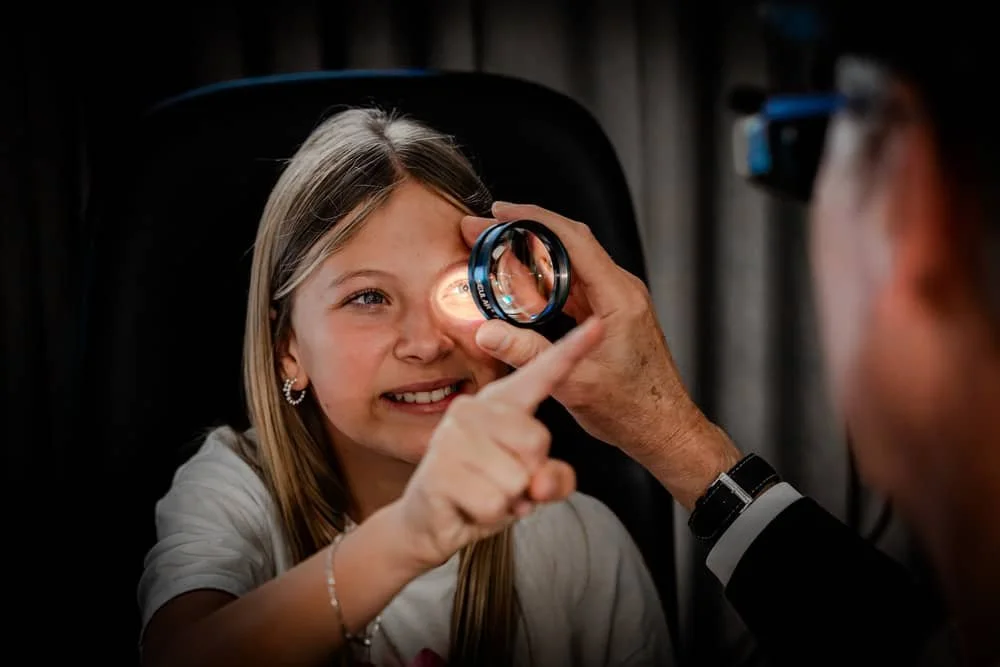

Providing Quality Care for Children’s Vision Locally for 30 Years
For Eyes Optometrists is an independent children’s optometry practice serving Perth and Fremantle. We offer customers a range of frame and lenses options. The focus is on what will lead to the best outcome for you as the customer.
We provide services in paediatric optometry, eye tests for kids, myopia and more. Accordingly, our practice has a large investment in state-of-the-art technology and equipment to provide advanced care.
Our goal is to assist every child to achieve the clearest vision possible and optimal visual performance. For Eyes Optometrist works closely with families, schools, doctors, and other professionals to provide the highest level of care to benefit your child. We perform extensive eye examinations with the latest technologically advanced equipment.
Detecting children’s vision problems
The following signs indicate that your child needs to have their eyes examined:
Problems seeing the TV or blackboard
Holding things too close to the face
Eye rubbing or excessive blinking
Poor attention span or memory
Avoidance of close work
Covering one eye or tilting the head when reading
Learning difficulties
An eye that seems to turn in or out, particularly when they are tired
Complaining of double vision
Complaining of sore eyes or headaches
At For Eyes Optometrist, we offer in-depth eye examinations for your child which can detect a large range of conditions and assess how much it is affecting your child's vision and development.
What conditions do your childrens’ optometrists treat?
Common vision conditions we treat include the following:
-
Being short-sighted means your child can see objects clearly up close, but those further away appear blurred. This is a common condition, often identified around the age of 12, though younger children can also be affected.
-
Children who are long-sighted can see distant objects more clearly than those up close. They might experience blurred vision or tired eyes when reading. If your child has significant long-sightedness, it can be corrected with glasses.
-
Astigmatism is a minor eye condition that causes blurred or distorted vision. It happens when the cornea or lens is slightly irregular in shape, more like a rugby ball than a football. If left untreated, it can lead to headaches, eye strain, and tiredness, especially after activities like reading or using a computer. In most cases astigmatism can be treated with glasses or contact lenses.
-
If your child is diagnosed with a lazy eye (amblyopia), it means one eye is weaker than the other, causing them to rely more on their stronger eye.
-
A squint is a condition where a child’s eyes point in different directions, which can cause blurred or double vision and may lead to a lazy eye. For Eyes Optometrist is one of the few children's optometry practices in Perth with a trained orthoptist and therapy facilities in-house.
Eye tests for children
Our children’s eye tests considers visual motor and cognitive skills, assessing both the functioning of the eyes as well as the brain.
The approach assesses how a child processes and interprets visual information and helps detect problems that may accompany or contribute to learning difficulties.
The way a child interprets what they see does not depend solely on the clarity of their vision.
-
The eye test will include consideration of the following:
1. Measurement of near focus and eye coordination. This can impact visual comfort and performance when reading, writing and using computers.
2. Measurement of distance focus and ability to change focus from distance to near work.
3. Assessment and treatment of lazy eye (amblyopia) and turned eye(strabismus). Assessment of tracking eye movement skills for reading fluency.
4. Assessment of vision perception, or processing, to ensure these abilities are normally developed for a patient’s age.
5. Assessment and management of visual issues associated with health or neurological conditions.
-
A child can be examined at any age, particularly if (as a parent) you are concerned. A good age to begin regular eye examinations for a child is around 4 years of age. That is, when they can sit still, pay attention and follow simple instructions. This is an important stage in a child’s development and when our optometrists can accurately assess if any vision problems exist and the best course of action,
Conditions such as the lazy eye (amblyopia), turned eye (strabismus), eye teaming, squint eye, and colour vision deficiencies are best detected at an early age to maximise their learning potential through school. At For Eyes, we will closely examine your child’s vision and determine whether their vision is normal or if some form of intervention is required.
-
We recommend that all children receive a routine eye examination prior to commencing school to ensure that there are no vision problems that would impede their ability to learn. Thereafter, we recommend an eye examination every 18 months - 3 years unless advised otherwise by an optometrist.
There is evidence that:
1. Many children with reading difficulties also have a vision problem
2. One in five children have a vision problem that impacts on efficient learning
3. These vision problems often relate to focusing and eye teaming
Providing care as your child grows: Paediatric optometry life cycle
A paediatric optometry lifecycle is easiest to think of as stages that are concurrent with a child’s development, with extra touchpoints if there is a known or suspected eye condition. With our practical roadmap, you can adapt to specific diagnoses (myopia, strabismus, amblyopia, congenital cataract, etc.).
Big picture goals
Detect problems as early as possible, ideally before symptoms are obvious.
Protect visual development during the “plastic” years (roughly birth to 8–10 years), when treatment has the most impact.
-
If there is a family history of significant eye disease (congenital cataract, glaucoma, retinal disease, strabismus, high myopia), parents should flag this to the obstetric and neonatal team and plan early eye checks after birth.
For premature infants or those with high-risk perinatal histories, hospital-based screening (e.g., for retinopathy of prematurity) and early referral to paediatric ophthalmology is part of the lifecycle and is likely to have been completed before discharge or within the first weeks.
-
First eye check with an optometrist or ophthalmologist experienced with infants, especially if there are risk factors (prematurity, developmental delay, obvious eye turn, droopy lid, white pupil, nystagmus, or not fixing/following).
Focus is on: visual behaviour (fix and follow), eye alignment and movements, pupil reflexes, red reflex, anterior segment and basic fundus view, plus an age-appropriate refraction (often with cycloplegic drops).
Visit frequency (if there is a condition):
Stable mild issues (e.g., low/moderate refractive error without amblyopia): typically every 6–12 months in the first years.
Higher-risk conditions (e.g., high hyperopia, early strabismus, structural anomalies): every 3–6 months or as advised, with close coordination with a paediatric eye surgeon if surgery is required.
-
This is a critical phase because the visual system is highly plastic (still developing) and amblyopia (lazy eye) treatment works best.
At least one comprehensive eye exam before school entry is ideal, and sooner and more often if any of the following exist: known refractive error, strabismus, amblyopia, congenital cataract/glaucoma, systemic syndromes, learning or developmental concerns, or strong family history.
Key components:
Age-appropriate visual acuity testing (pictures, matching, or recognition), refraction, ocular alignment and motility, binocularity and stereopsis, ocular health examination.
Management can include glasses, occlusion/atropine therapy for amblyopia, vision therapy (for specific binocular/oculomotor issues), and referral for surgery (strabismus, cataract, glaucoma, etc.) when indicated.
Visit frequency (if there is a condition):
Active amblyopia/strabismus treatment: often every 2–4 months while treatment is being adjusted.
Stable refractive error without amblyopia: commonly every 6–12 months.
Post-operative or high-risk ocular disease: intervals as often as weeks to a few months initially, then spaced out as stability is demonstrated.
-
Ongoing monitoring of visual acuity, binocular function, and refractive error is important as demands for near work and learning increase.
For children with eye conditions, this stage often involves fine-tuning glasses prescriptions, continuing or tapering amblyopia treatment, and monitoring for progression (e.g. developing or myopia progression, decompensating strabismus, glaucoma control).
Visit frequency (if there is a condition):
Myopia or changing refractive error: usually every 6–12 months, more often if on specific myopia-control treatments (e.g., atropine, ortho-k, special lens designs).
Amblyopia/strabismus under active management: 3–6-monthly until stable.
Chronic ocular conditions (e.g., glaucoma, retinal disease, retinopathy of prematurity-ROP): often co-managed with a paediatric ophthalmologist and can range from every 3 months to annually depending on stability.
School and support:
Reports for teachers and allied health (OT, speech, physio) about visual function, accommodations (seating, enlarged print, contrast), and any restrictions (e.g., sports after surgery).
Consider low-vision or assistive technology devices if best-corrected vision is significantly reduced.
-
Neuro-visual plasticity is reduced but not absent; amblyopia treatment is less effective but can still be beneficial in selected cases and with appropriate intervention strategies.
Visual demands increase with longer reading, device use, and more complex schoolwork.
Focus of care:
Monitoring and managing progression of refractive error (especially myopia).
Ensuring stable binocular vision; watching for symptoms like eye strain, headaches, near blur, or loss of depth perception.
Ongoing surveillance of any functional or systemic eye disease.
Visit frequency (if there is a condition):
Myopia or other changing refractive error: 6-monthly if using myopia-control strategies and combined with biometry. Biometry is the measurement of the axial length of the eye and determines the effectiveness of the myopia treatment plan.
Chronic conditions (e.g., post-surgical strabismus, congenital cataract/glaucoma, retinal disease): usually every 6–12 months long term, with additional visits if symptoms or exam findings change.
-
Focus shifts to consolidating stable vision, supporting educational and vocational goals, and transitioning to adult optometry/ophthalmology services.
Adolescents become more responsible for self-management (attending appointments, wearing glasses or contact lenses, adhering to myopia treatment protocols, drops or low-vision strategies).
Key elements:
Regular comprehensive eye exams (typically every 1–2 years for stable conditions; more frequently for progressive or high-risk disease).
Education about modifiable risk factors (e.g., near-work habits and outdoor time for myopia, eye protection for sport, contact lens hygiene).
Clear handover plan to adult providers, including a summary of diagnoses, treatments (e.g., surgeries, amblyopia therapy, myopia control), visual prognosis, and current supports or modifications in school.
How to customise this lifecycle for your child
To turn this into a personalised plan, it helps to pin down:
Diagnosis (or suspected diagnosis) and severity.
Current age and developmental profile.
Practical constraints (location, school schedule, tolerance for frequent visits).
At For Eyes Optometrist, we’re committed to supporting your child’s vision with personalised care that adapts as their eyes grow and their needs change.

Complete Range of Comfortable and Stylish Prescription Kids Glasses
At For Eyes we also stock a wide range of children’s eyewear, catering for all ages from infants through to teenagers. With a focus on the child feeling comfortable about their style and fit of their frame they will gain maximum benefit from their eyewear.
Why choose us?
Focused on the health of your eyes, committed to delivering tailored treatment plans and long-term support.
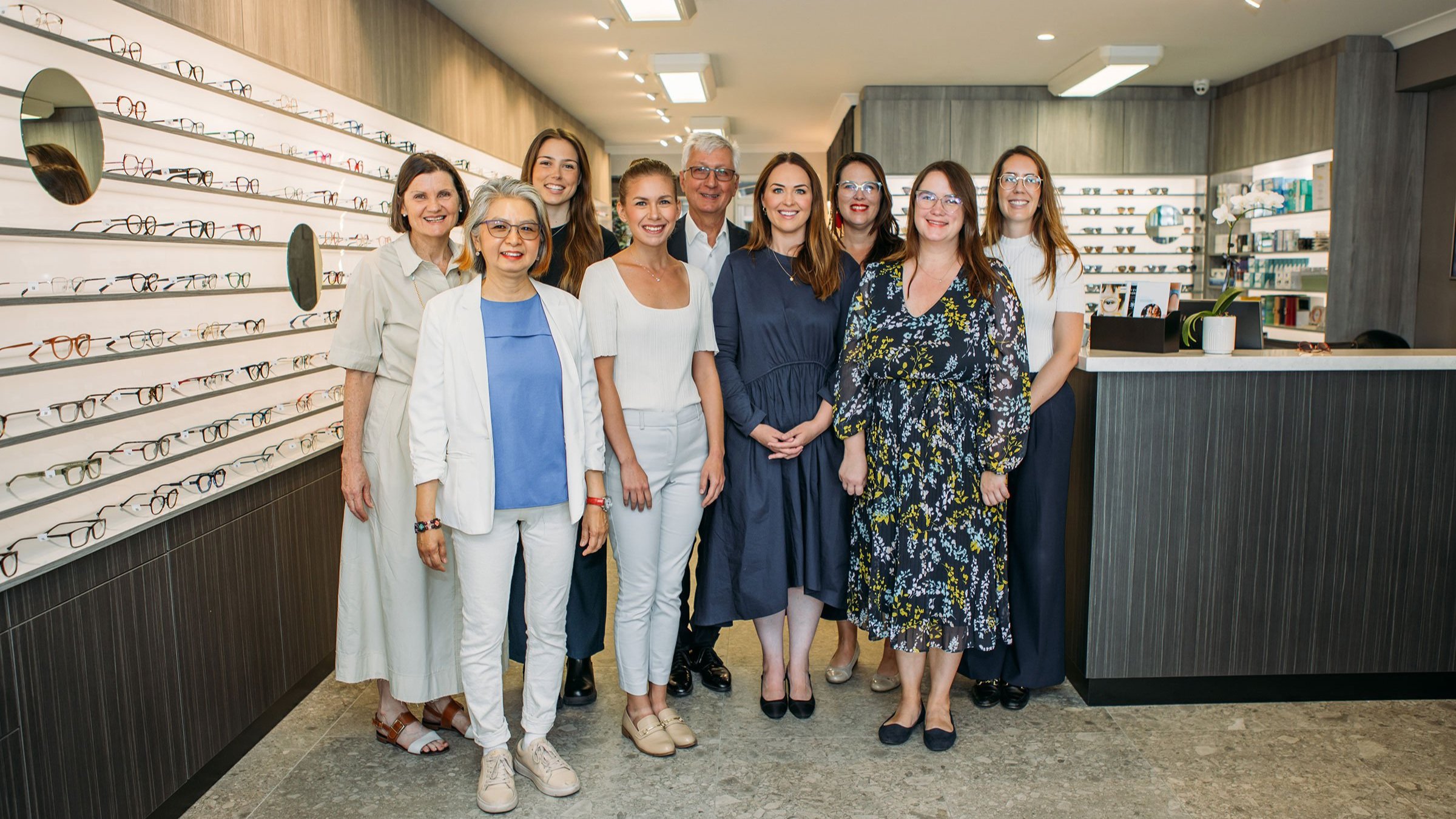
Highly experienced team of childrens optometrists, orthoptists, vision therapists and optical dispensers.
Comprehensive eye examination with the latest technologically advanced equipment.
Extensive experience with children from a very young age backed by advanced training and certifications including International Academy of Orthokeratology and Myopia Control (IAOMC) and Advanced Paediatric Eyecare
Complex lens fittings including high power lenticular lenses and contacts and dedicated range of kids’ frames including Tomato Glasses for babies and young children to Oakley, Nano Vista and Lipo.
Meet the Optometrists
-
![]()
Adrian Rossiter
Founder / Optometrist - BSc(Optom) MOptom MBA, FACBO, IACMM, CASA certified optometrist, Advanced Accreditation in Neuro-Optometric Care, Ophthalmic Medicines Prescriber
Adrian has over 35 years of experience as an optometrist in independent practice, as a contact lens adviser to industry and as a family eye care practitioner. His professional interests revolve around improving children’s vision and working with specialty contact lenses for adults and children.
-
![]()
Sinead Denny
Optometrist - BScOptom, Member of the Australasian College of Behavioural Optometrists, Ophthalmic Medicines Prescriber, Board Member Optometry WA, Clinical Skills Supervisor UWA Doctor of Optometry degree.
Sinead is passionate about all areas of Optometry including contact lenses, myopia control and Indigenous Eye Health. Sinead is also involved in running a Diabetic Eye Screening clinic at Fremantle Hospital and the supervision of students in the Doctor of Optometry at the University of Western Australia.
-
![]()
Hannah Jackson
Optometrist - BVisSci, MOptom, AdvCertChVis (ACO), CASA certified optometrist, Opthalmic Medicines Prescriber
Hannah completed her Master of Optometry at Deakin University with distinction. She has a particular interest in paediatric optometry together with colour vision testing and low vision care. She holds an advanced certificate in children’s vision and is a CASA certified optometrist.
-
![]()
Karega Gibbs
Optometrist - DOptom, BBioMed, Opthalmic Medicines Prescriber
Karega completed her Doctor of Optometry at The University of Western Australia with Distinction. In addition, she has a Bachelor of Biomedical Science (with High Distinction) from the University of Notre Dame. She is passionate about proactive management of eye health including dry eye conditions, and is committed to staying current with advances in optometry, delivering care that is both thorough and compassionate. She is known for a friendly and approachable manner, building trusting relationships with patients and tailoring her care to individual’s needs.


Children’s Vision FAQs
-
The assessment of your child’s vision can vary based on the eyecare philosophy of an optometry practice.
For Eyes Optometrist is a behavioural optometry practice and therefore will assess not only a child’s ability to see but also their visual development and skills. Visual skills affect how they interpret and understand visual information.
For example, the assessment of your child’s vision will go beyond the requirement to provide clear vision. It will include:
• vision comfort
• the accuracy and ease of eye movements
• the effort required to maintain focus and control, and
• the ability of the eyes to work together -
Yes. Our optometrists have been conducting children vision eye tests for over 10 years. They see children from as young as a few months old. They are very experienced in assessing their needs and providing clear recommendations.
-
Making sure your child’s eye health remains stable doesn’t just involve regular visits to an optometrist. There are other ways you can reduce the risk of vision problems such as limiting the amount of screen time and encouraging outdoor activities.
One of the main eye health issues associated with screen time is myopia, or short sightedness. This can impact a child’s eye health and academic development
The amount of time spent outdoors has also been identified as an important factor in reducing myopia in children.
-
We recommend that all children have an eye test prior to commencing school to ensure that there are no vision problems that would impede their ability to learn.
Thereafter, we recommend an eye test every 18 months unless advised otherwise by our optometrists.
If your child is a new patient to our practice, it is important that we gather as much information as possible regarding their ocular history, general health and family history.
Please complete our Welcome to For Eyes Optometrist form (refer to Eye Tests page) and either email to our practice (reception@foreyes.com.au) before the appointment or bring it with you to your first appointment. If you are unable to complete the form in advance, please arrive at least 10 minutes before your appointment time to complete the form in the practice.
-
A child can be examined at any age, particularly if (as a parent) you are concerned. A good age to begin regular eye examinations for a child is around 4 years of age. That is, when they can sit still, pay attention and follow simple instructions. This is an important stage in a child’s development and when our optometrists can accurately assess if any vision problems exist and the best course of action,
Conditions such as the lazy eye (amblyopia), turned eye (strabismus), eye teaming, squint eye, and colour vision deficiencies are best detected at an early age to maximise their learning potential through school. At For Eyes, we will closely examine your child’s vision and determine whether their vision is normal or if some form of intervention is required.
-
One of the benefits of paediatric optometry is that it diagnoses vision impairment efficiently and early on. Our optometrists will physically examine your child's eyes and do vision screenings using eye chart tests, pictures or letters.
-
An IACMM-certified optometrist is an experienced eye care professional trained in managing myopia (short-sightedness), with certification from the International Academy of Orthokeratology and Myopia Control (IAOMC). They’ve completed advanced training, passed rigorous exams, and stay informed on the latest research for effective myopia management.
Benefits for Your Child:
Enhanced Expertise: IACMM-certified optometrists have in-depth knowledge of myopia progression and use specialised diagnostic tools.
Personalised Treatment: They provide treatment plans designed to help slow myopia progression in children.
Verified Competency: This certification assures parents of the optometrist’s knowledge, with IAOMC verification and regular certification renewal.
For parents, selecting an IACMM-certified optometrist offers reassurance of quality, research-backed myopia management for their child.
-
Common signs can include things like squinting, rubbing their eyes, or holding books very close when reading. If they seem to lose their place while reading or have headaches after school, it could indicate that their eyes are working extra hard to keep up.
Specialised eye exams can identify specific visual skills that may need support to help ease these symptoms and make everyday activities, like reading, much more comfortable.
-
Vision is a key part of learning because children absorb so much information visually. If your child is struggling to see clearly, it can affect their focus and behaviour in the classroom. For some children, improving specific visual skills—like eye coordination and focus—can make learning feel much easier and more enjoyable, often boosting their confidence and attention in class.
-
If your child has learning difficulties, it may be worth exploring whether vision could play a part. For example, struggling to stay focused while reading or writing, frequently skipping words, or reversing letters can sometimes indicate a visual challenge. A comprehensive eye exam can pinpoint the areas where your child’s vision could use some extra support, making it easier for them to engage in schoolwork and feel less frustrated.
-
Children may not always realise they’re experiencing vision issues. Signs to look out for include head tilting, eye rubbing, or seeming easily tired after activities that require focus. If they avoid puzzles, colouring, or reading, it could be because these tasks are challenging for them.
A thorough eye exam can highlight subtle visual difficulties, helping your child see more comfortably and enjoy these activities again.
-
Yes, vision challenges can often lead to shorter attention spans or frustration in class. Struggling to see comfortably can make a child feel restless or distracted, even if they’re trying to focus. Targeted vision exercises or therapies can strengthen their visual stamina, often leading to positive changes in focus and behaviour over time, making school more manageable and enjoyable for them.
-
As a customer, we will be focus on on your needs. Frame and lenses recommendations will be tailored to your kids’ lifestyle. As an independent optometry practice, we can choose from a wide range of suppliers. Our team members are not required to recommend a particular lens supplier but rather consider which is the best lens for the customer’s lifestyle.
For Eyes Optometrist Fremantle is a holistic optical practice whereby we plan for future outcomes, particularly in relation to children’s vision. We aim to enhance your child’s vision now and in the future.
-
Our clinic is located in Fremantle on High Street, with 1-hour free parking bays along both sides of the road. This should allow enough time for your eye test.
If all of these bays are taken, there is plenty of paid parking available around the corner - opposite CBC near the tennis courts.
-
No. At For Eyes, we are a private billing practice. This allows us to prioritising your eye health and gives us the ability to invest in advanced technology, training and spend the right time to understand your concerns.
-
A lazy eye, also known as amblyopia, is a developmental condition characterised by the decreased vision in one eye and an inward or outward wandering of that eye as a result of abnormal visual development early in life. A lazy eye usually develops from birth up to age seven and is the main cause of poor vision in children. Timely diagnosis and turned eye treatment can aid in preventing long-term issues with your child's eyesight. If left untreated, a lazy eye can cause permanent vision loss.
A lazy eye in children can usually be corrected with the right treatment. Treatments for a lazy eye aim to strengthen the lazy eye and get it working properly. The specific cause of lazy eye in each individual child guides their treatment. Treatments may include:
Applying an eye patch over the dominant eye
Prescribed contact lenses or glasses
Eye drops
A filter that goes over the glasses
Surgery
Need to make an appointment?
Schedule an appointment directly with our clinic or contact us today using our online web form.