
What Causes Dry Eyes in the Morning?
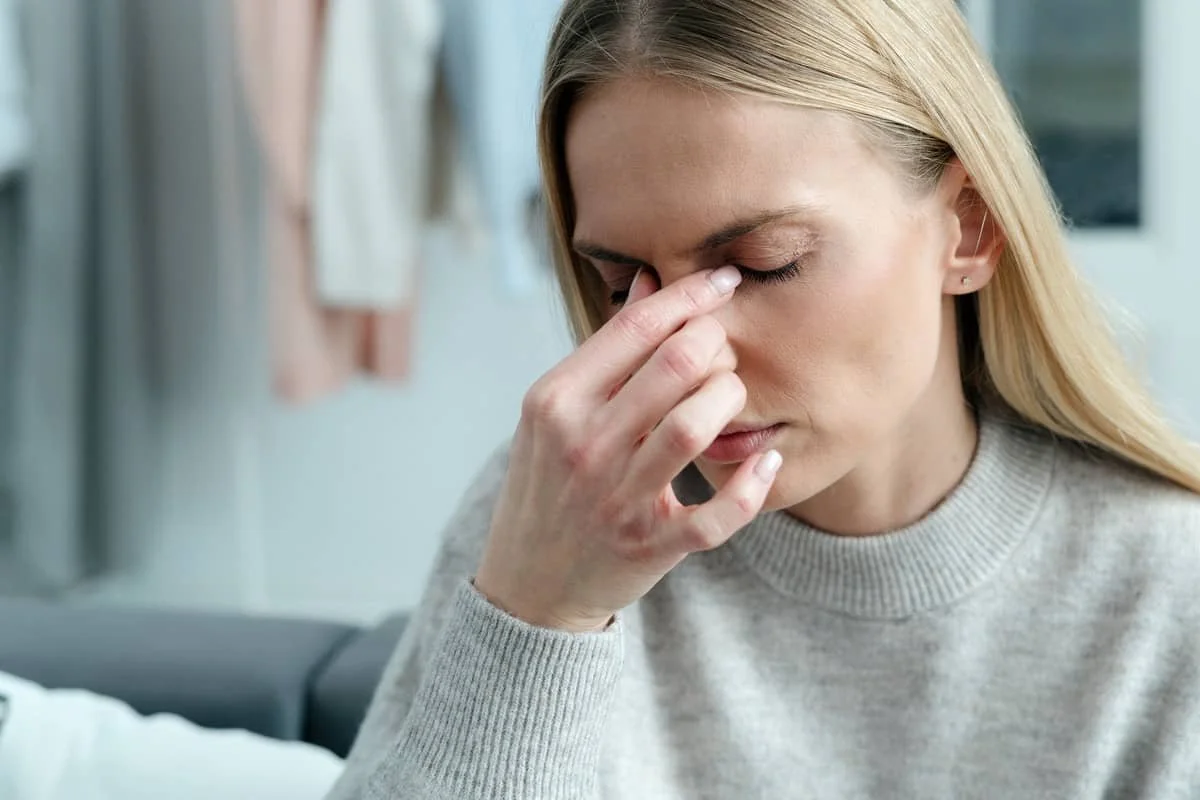
Waking up with dry eyes can be a result of your environment, underlying medical conditions, or medication side effects. Along with being unpleasant, ignoring dry eyes can lead to complications. Fortunately, treating mild symptoms of morning dry eyes is usually straightforward.
Here are some common reasons you may be waking up with dry eyes and how to find relief.
Reasons You Wake Up With Red, Itchy or Irritated Dry Eyes
Dry Environment
This is one of the first factors to consider if you are waking up with dry eyes. Indoor air can be irritating if it is too dry, especially during cooler times of the year. When the air in your home or bedroom is dry, it can lead to ocular discomfort, in extreme cases eye pain, burning, redness, and dryness.
Medications
Certain medications can cause dry eye symptoms and worsen morning dry eyes. Blood pressure medication, decongestants, antidepressants, medications for skin conditions such as acne, and antihistamines can reduce tear quality and production.
To combat dry eye symptoms from temporary medication, consider over-the-counter eye drops. If the medication is needed long-term, talk with your doctor or optometrist about management options for your dry eye..
Age
Dry eyes become more common with older age as a result of decreased tear production and changes to the composition of the tear film.
Allergies
Allergies are another issue that may cause you to wake up with dry eyes. Be aware of possible allergens in your sleeping environment, such as mould, pet dander, dust and demodex mites.
Lack of Tear Production or Poor Quality Tears
Dry eyes in the morning can also be a result of poor quality tears or insufficient tear production.
Inadequate tear production or issues with the tear film can have several causes, such as:
Aqueous Deficient Dry Eye:Aqueous Deficient Dry Eye is a condition where the eyes do not produce enough tears.
Evaporative Dry Eye: Evaporative dry eye is a result of tears that evaporate too fast. Evaporative dry eye often occurs due to issues with the meibomian glands.Learn more here: What is Meibomian Gland Dysfunction (MGD)?
A combination of Aqueous Deficient and Evaporative Dry Eye: In many cases the two conditions coexist
Nocturnal Lagophthalmos
Nocturnal lagophthalmos is an eye condition where the eyelids do not close completely when sleeping and fail to adequately protect the surface of the eye by forming an effective seal overnight.
When your eyelids do not close all the way during sleep, the tear film evaporates faster throughout the night. This can lead to damage to the superficial corneal cells and waking up with uncomfortable dryness and irritation. This may manifest as a sharp stabbing pain in one or both eyes when first opening the eyes in the morning.
Poor Sleep Habits
Poor quality or lack of sleep can disrupt the tear film, reduce tear production causing irritation and inflammation, leading to symptoms of morning dry eyes.
Contact Lenses
Wearing contact lenses can contribute to feelings of dryness and irritation in the eyes.
Blepharitis
Blepharitis is an eye condition that causes inflamed eyelids. This inflammation can cause redness, itchiness, dryness, and irritation exacerbating dry eye symptoms.
How to Treat Morning Dry Eye at Home
Certain home remedies may reduce symptoms of morning dry eyes.
Popular morning dry eye remedies at home include:
Increase Humidity: Try increasing the humidity in your home, especially your bedroom, with a humidifier.Also, avoid sleeping directly under an air vent or in front of a fan.
Use a Warm Compress: Applying a warm compress over your eyes during the morning and evening can help keep oil-producing glands unclogged.
Use Artificial Tears: Over-the-counter eye drops may help alleviate morning dry eyes.
Reduce Allergens: Shower before bed, wash bedding often, being mindful of drafts caused by open windows in the bedroom. A good quality air purifier can also help reduce airborne irritants.
Limit Screen Time: Limit evening screen time to help reduce digital eye strain as it can worsen symptoms of dry eyes.
Practice Good Contact Lens Habits and Hygiene:Avoid sleeping with contact lenses in and practice good contact lens hygiene. Remove contact lenses before your eyes become irritated, not once they are irritated.
Stay Hydrated: Drink 8 to 10 glasses of water a day, including a glass upon waking, to help stay hydrated.
Improve Your Sleep Habits: Try to maintain a consistent bedroom routine and avoid electronics in the bedroom to support quality sleep.
See an Optometrist if Symptoms Do Not Improve: If your morning dry eye continues despite home remedies, schedule an evaluation with a dry eye optometrist.
An dry eye optometrist can get to the root of your dry eye issues and analyse potential causes, such as meibomian gland dysfunction or blepharitis. Your optometrist can also recommend a personalised treatment plan, to provide effective long-term relief from dry eye symptoms.
How For Eyes Optometrist Can Help with Morning Dry Eyes
Morning dry eye is a common condition that can be uncomfortable and lead to complications if left unaddressed. Fortunately, a variety of home remedies can help reduce morning dry eye symptoms.
If symptoms persist or worsen, an optometrist can help you determine the underlying causes and best treatment approach. At For Eyes, our Dry Eye Clinic has helped patients across Perth and Fremantle find long-term dry eye relief.
With advanced equipment and state-of-the-art technology, our qualified practitioners provide dry eye assessments, management, and tailored treatment plans.
Book a comprehensive dry eye exam with our caring, highly experienced team of optometrists to take a step toward relief.
