
Neurological Optometry Perth & Fremantle
Our neurological optometry clinic has access to qualified practitioners and advanced equipment for treating complex vision problems related to brain injuries.
What Is Neuro-Optometry?
Neuro-optometry aims to treat and manage visual disorders caused by brain injuries such as concussions, stroke, brain tumours, or other neurological conditions. Other conditions a neuro visual optometrist may play a role in detecting multiple sclerosis, intracranial hypertension, cranial nerve palsies, and many more. A Neuro-optometry examination is an in-depth look at how the eyes and the brain work together. It is an opportunity to test the important areas of how your vision functions, to see if they are impacting your recovery or holding you back in your performance.
What can a For Eyes neurological optometrist help with?
Sensitivity to motion
Poor balance/posture
Spatial disorientation
Light sensitivity
Visual processing deficits
Double vision
Coping with vision loss
Poor eye tracking
Eye strain
Headaches
Visual field loss
For Eyes’ Neuro Optometry Team By Your Side
Our neuro-optometric services involve a thorough and detailed evaluation of both vision and visual function following damage to the brain. From initial assessment to personalized in-office treatments, the neurological optometry team at For Eyes goes above and beyond to help our patients improve their visual function, allowing patients to regain their quality of life.
The Neuro-Optometry Exam
While you may have had a comprehensive eye exam following your traumatic brain injury, an additional examination is essential to determine the degree of visual dysfunction to begin a successful neuro-optometric rehabilitation program.
A neuro-optometry exam at For Eyes goes beyond eye health and visual acuity, as it is a specific and in-depth evaluation of visual function and range of symptoms following a brain injury. It involves:
Eye muscle assessment
Eye tracking
Eye alignment & coordination
Focusing ability
Depth perception
Peripheral vision
Balance assessment
This exam is key to establishing an effective and personalised neuro-optometric treatment plan.
Common Post-Brain Injury Vision Conditions
These symptoms are caused by several visual, perceptual, and motor disorders that manifest after a head injury. Some of these conditions include:
Eye Coordination: occur when your eyes do not work together as a team.
Eye Focusing: conditions related to difficulty with accommodation (focusing ability), such as poor flexibility or strength.
Eye Tracking: difficulty with eye movements, such as smooth tracking, shifting gaze, and maintaining fixation.
Light Sensitivity: sensitivity to light, or photophobia, such as sunlight or fluorescent lighting.
Visual Field Defects: partial loss of peripheral vision, resulting in reduced mobility or frequent bumping into objects.
Eye Turns: an eye turn, or strabismus, is a condition where both eyes do not look at the same place at the same time. This may result in double vision or eye strain.
Visual Perception: deficit in the way your brain processes and interprets visual information. This can include visual neglect, a condition that often occurs after strokes.
What are neuro visual disorders?
Neuro-visual disorders comprise a range of problems that can have a large impact on quality of life. Thanks to neuro optometry, such problems can be diagnosed and treated promptly, allowing patients o continue with their lives without discomfort.
Providing a care plan throughout all stages of your recovery
Neurological optometry focuses on diagnosing and rehabilitating vision problems caused by brain injuries, strokes, or neurological conditions through vision therapy. A typical lifecycle and plan follows a structured progression from assessment to long-term management.
-
Comprehensive evaluations by a neuro-optometrist include tests for visual acuity, eye tracking, binocular vision, field of vision, depth perception, and neurological responses like light sensitivity or balance integration.
These 1-1.5 hour sessions review medical history and use eye movement and balance tests.
-
Plans are personalised and dynamic, incorporating therapeutic prisms, lenses, vision exercises for focusing and tracking, light therapy, and spatial training to retrain neural connections.
Therapy sessions evolve based on progress, and are delivered over a period of 8 weeks with home exercises.
-
Regular re-evaluations track improvements in symptoms like double vision, headaches, or coordination, adjusting interventions as neuroplasticity enables new pathways.
Studies show high success rates, with many patients gaining sharper vision and independence after 6-10 weeks.
-
Ongoing management may involve periodic check-ins, adaptive lenses, or multidisciplinary care with therapists to sustain gains and address chronic issues like those from traumatic brain injury or multiple sclerosis. Full recovery varies, but enhanced daily function is common.
At For Eyes Optometrist our neurological optometry team supports you through every stage of recovery with evidence-based evaluation, tailored treatment and ongoing care.
Why choose us?
Focused on the health of your eyes, committed to delivering tailored treatment plans and long-term support.
Highly experienced team of optometrists, orthoptists, vision therapists and optical dispensers.
Comprehensive eye examination with the latest technologically advanced equipment including including, RightEye Sensorimotor System™, Balance Tracking System (BTrackS™) and Vivid Vision virtual reality vision training system for holistic vision therapy services.
Extensive experience with children from a very young age.
Certified in Neuro Optometric Care, Australasian College of Behavioural Optometry
Complex contact lens fittings and advice including orthokeratology
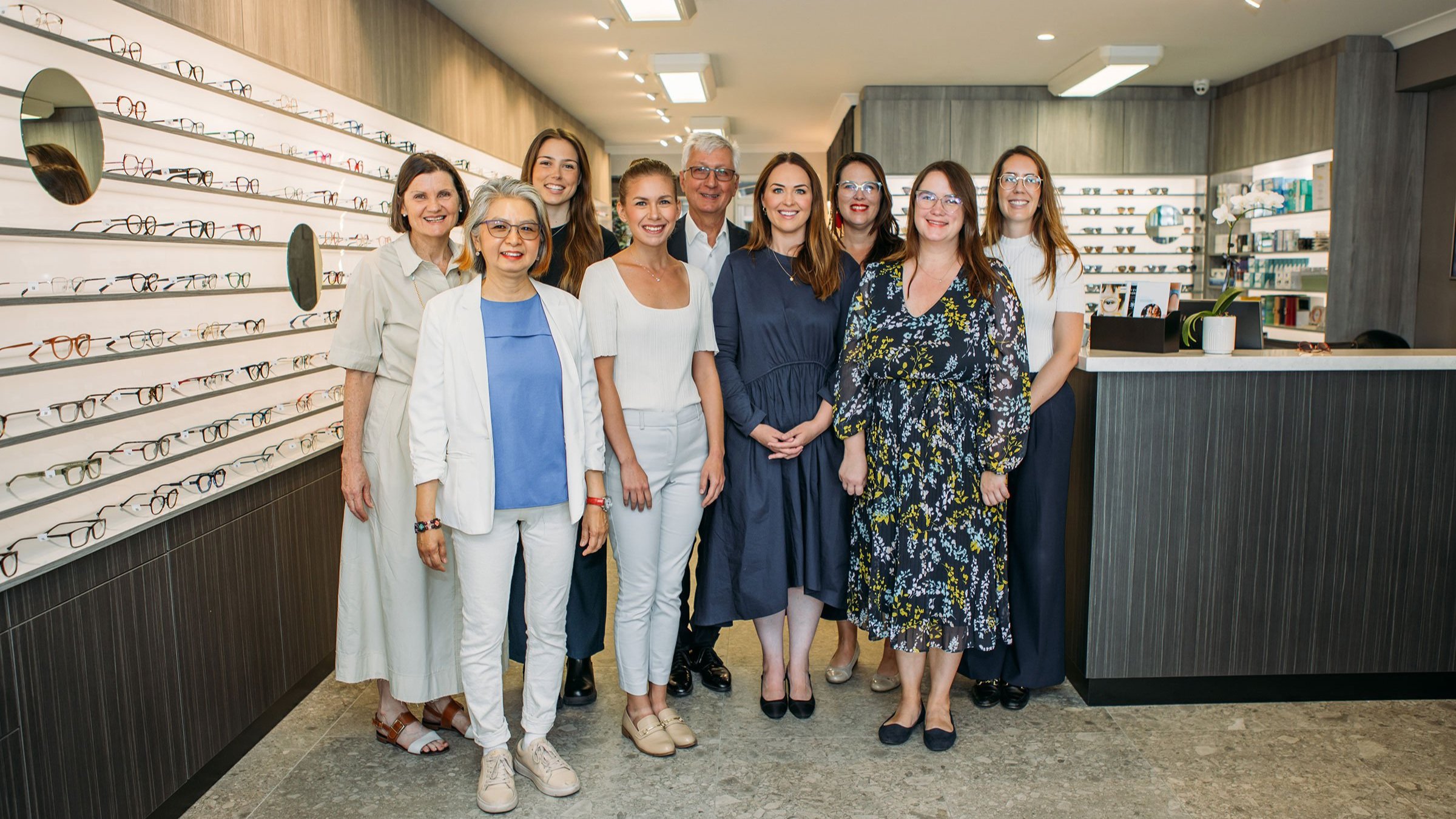
Meet the Optometrist

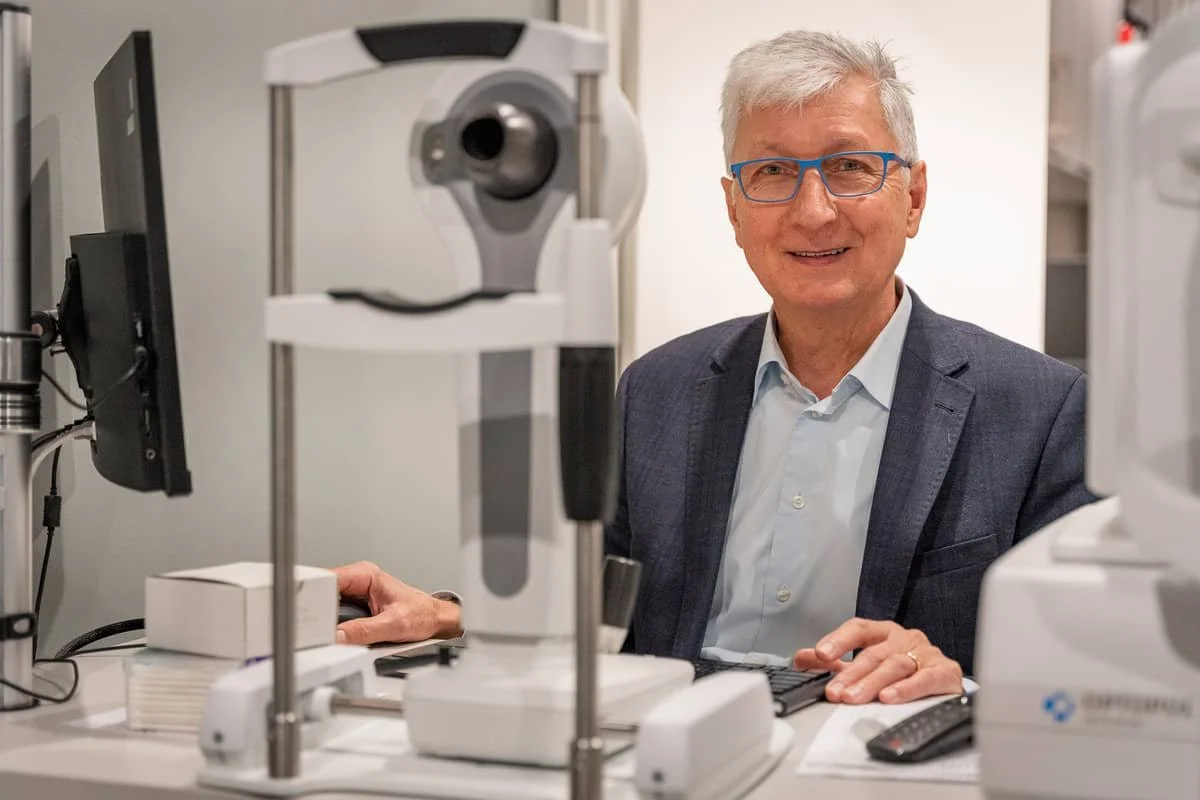
Adrian Rossiter
Founder / Optometrist
BSc(Optom) MOptom MBA, FACBO, IACMM, CASA certified optometrist,
Ophthalmic Medicines Prescriber
Adrian has over 35 years of experience as an optometrist in independent practice, as a contact lens adviser to industry and as a family eye care practitioner. He has completed advanced training in neuro-optometric vision care, and myopia control with the International Academy in Myopia Management (IACMM).
Need to make an appointment?
Schedule an appointment directly with our clinic or contact us today using our online web form.