
Aqueous deficient dry eye (ADDE) is a condition where the eyes do not produce enough tears. This type of dry eye disease is chronic and can lead to a variety of uncomfortable symptoms and serious complications.
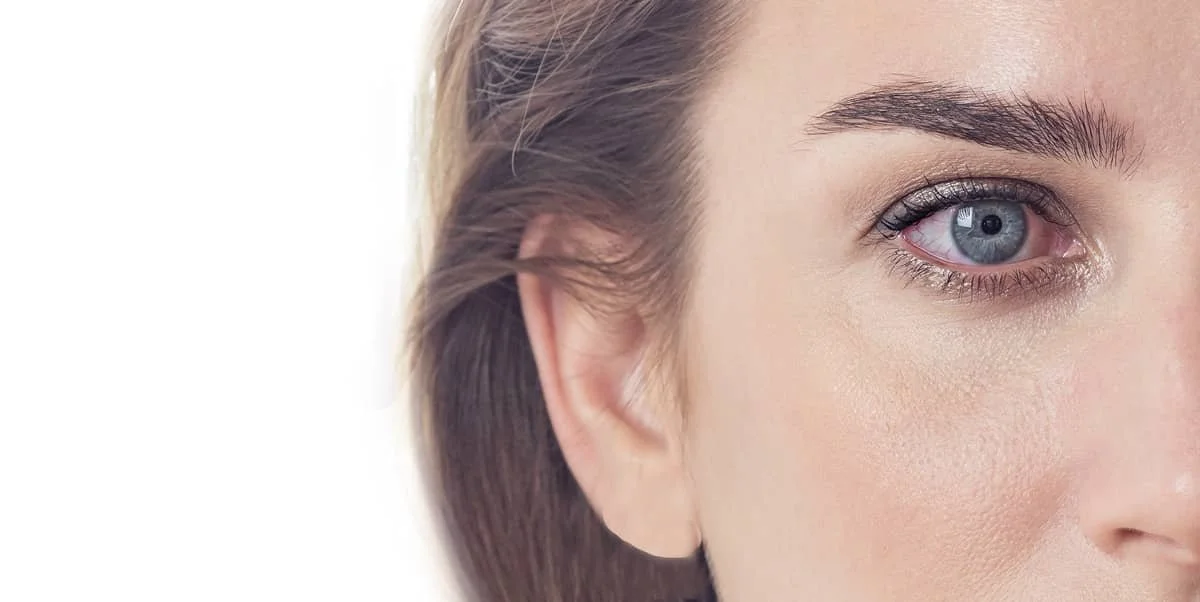
Tears contain a mix of fluids, mucins, proteins, and oils that act as an important moisturiser and lubricant for the surface of our eyes. The watery portion of tears is produced by the lacrimal glands. We need the tear film to remain stable to ensure clear vision and provide an extra level of protection to the eye.
ADDE [1] is a type of dry eye disease where the lacrimal glands do not produce enough tears. Without enough tears, the eyes can become irritated, red, light-sensitive, painful, and can increase the risk of serious complications to the cornea.
ADDE although not as common as other types of dry eye, it is important to see an optometrist or dry eye clinic if you experience symptoms
Causes and Risk Factors for ADDE
There are two main types of ADDE:
Sjögren’s-Related ADDE: Sjögren’s disease is an autoimmune condition affecting the body’s ability to produce fluids, such as saliva and tears and directly affects the function of the lacrimal gland.
Non-Sjögren’s-Related ADDE: This type of ADDE occurs in people without Sjögren’s disease. Age and side effects from medications are common factors in Non-Sjögren’s-Related ADDE.
Causes and risk factors for ADDE development include:
Autoimmune disorders, such as Lupus or Rheumatoid arthritis
Damage to the lacrimal glands during laser eye surgery (this could be temporary or permanent)
Lacrimal gland damage from chemotherapy or radiation treatments
Medical conditions
Trauma to the eye
Medication side effects
Symptoms of Aqueous Deficient Dry Eye
Symptoms of ADDE may include:
Sensitivity to light
Stinging or burning sensations in the eye
Redness of the conjunctiva (whites of our eyes)
Foreign body sensation (feeling like a piece of sand or dirt is stuck in your eye)
Sensation of dryness, sometimes the inability to produce tears, even when crying
Itchy eyes
Blurry vision
Difficulty putting in or wearing contact lenses
Eye fatigue during or after focusing tasks (reading, drawing, computers, etc.
If your ADDE is a result of Sjögren’s disease, you may experience additional symptoms such as dry mouth, dry skin, joint pain, and unexplained rashes. Sjögren’s related ADDE requires diagnosis from a GP or rheumatologist.
What Is the Difference Between Aqueous Deficient Dry Eye and Meibomian Gland Dysfunction?
Evaporative dry eye (EDE), Meibomian Gland Dysfunction is another form of dry eye disease. Whereas ADDE is the result of disruption of the watery layer, Meibomian Gland Dysfunction EDE is the result of disruption to the production of the oily layer of tears.
Learn more about this type of dry eye in our most recent blog post: What is Meibomian Gland Dysfunction (MGD)?
| Type of Dry Eye Disease | Aqueous Deficient Dry Eye | Meibomian Gland Dysfunction (Evaporative) |
|---|---|---|
| Description | A type of dry eye caused by a lack of aqueous production by the lacrimal glands | A type of dry eye resulting from dysfunction in the meibomian glands that are responsible for producing the oily layer of tears |
| Causes | May be caused by autoimmune disorders, such as Sjögren’s disease, other medical conditions, trauma to the eye, ageing, medications and/or lacrimal gland damage | Changes to the meibomian glands, ageing, medication, blocked meibomian glands (MGD), excessive screen time, reduced/insufficient blinking, or eye infections |
| Symptoms | Red eyes, burning sensation, sensitivity to light, fatigue after reading, foreign body sensation, reduced production of tears, blurry vision | Irritation, discomfort, crusting around the eyes, itching of eyes or lids, burning, redness, light sensitivity, watery eyes, blurry vision, recurrent styes |
| Treatments | Artificial tears, prescription eye drops, punctal plugs, systemic health management | Prescription and non-prescription eye drops or lubricants, anti-infective ointments, Intense-Pulsed Light (IPL) therapy, prescription steroid eye drops, Meibomian Gland Expression, lid debridement, and punctal plugs |
How ADDE Is Diagnosed
Diagnosing ADDE typically involves both optometric and medical assessment:
A comprehensive evaluation of your medical history
Blink frequency examination
Eyelid examination
Tear analysis
Diagnostic tests, such as Schirmer’s test, to assess how much tear fluid is present
Testing for Sjogren's syndrome, by a GP or rheumatologist, as this can be the underlying cause of ADDE
Treatment Options for Aqueous Deficient Dry Eye
There are a variety of treatment options to help manage ADDE [2]. These treatments aim to support tear production, tear film stability, and supplement natural tears.
Aqueous deficiency dry eye treatment will depend on your unique situation, but may include:
Artificial Tears: Eye drops that moisten the eye to reduce symptoms of mild ADDE. This often provides symptom relief rather than treatment and is used to ‘replace’ the inadequate tear film production.
Ciclosporin drops: Ikervis and Cequa are a ciclosporin prescription-only, once-daily ophthalmic emulsion used to treat severe keratitis (corneal inflammation) in adults with severe dry eye disease who have not responded to tear substitutes. It acts as an immunosuppressant to reduce ocular inflammation.
Steroid drops: Prescription steroid drops aim to reduce inflammation, promote tear production, and heal corneal damage
Punctal Plugs: Tiny silicone plugs are inserted by an optometrist into the tear ducts to help trap the tears on the eye’s surface for longer and moisten the eye
Punctal Cautery: Permanent insertion of punctal plugs through surgery. Since this is a permanent ADDE treatment. This treatment is only recommended in certain situations and ophthalmological intervention is required
Amniotic membrane transplantation (AMT): is an effective, advanced treatment for more severe forms of aqueous-deficient dry eye (ADDE), allowing ocular surface healing, anti-inflammatory, and anti-fibrotic benefits.
For a tailored and accurate management plan, it is important to seek the advice of an optometrist.
Your optometrist may also suggest lifestyle changes to help manage ADDE, such as:
Limiting screen time
Using a humidifier in your home
Maintaining hydration and drinking an adequate amount of water
Getting enough sleep every night, and potentially wearing a sleep mask at night
Wearing wraparound sunglasses when you are outside
Avoiding or limiting exposure to smoke, air conditioning, and wind
Avoiding the use of eye drops that contain preservatives
Reducing medications that cause or contribute to dry eyes (under the supervision of your doctor)
Certain dietary supplements have been shown to help increase tear film production and improve tear quality in patients with aqueous deficient dry eye. While artificial tears are the standard, non-pharmacological support through supplements can improve the underlying tear volume and stability.
| Supplement | How it may help dry eye |
|---|---|
| Vitamin D3 | Deficiency in Vitamin D is linked to lower tear production and increased dry eye severity. Studies indicate that oral vitamin D3 supplementation can significantly improve tear production and reduce ocular surface inflammation. |
| Vitamin A | Essential for eye health. Vitamin A supplementation is known to improve tear quality and support tear formation, including improved tear film stability in studies. |
| Gamma-Linolenic Acid (GLA) | A type of omega-6 fatty acid often found in primrose oil. GLA can be converted into an anti-inflammatory agent (PGE1) that may help stimulate tear production, particularly in patients with Sjögren's syndrome. |
| Unique multi-ingredient blends | A proprietary blend containing lutein, zeaxanthin isomers, curcumin, and vitamin D3 (often marketed as a 4-in-1, for example “LCD” or in products like Blink NutriTears) has shown significant improvements in tear production (Schirmer’s test) and tear stability. |
Key things to consider in regards to using supplements for ADDE:
Dry Eye Cycle: Supplements are most effective when treating the inflammation and surface damage that cause low tear production, rather than acting as a direct, instant substitute for tears.
Quality Matters. Studies have shown that over 60% of fish oil supplements can be oxidized or rancid, which reduces their effectiveness. Choose high-quality, reputable brands.
Consult a Professional: High doses of vitamins A and D can cause toxicity. Always consult your eye care professional or GP before starting supplements, particularly if you have underlying conditions.
Supplements are considered a long-term, supportive strategy to complement (not replace) traditional treatments like artificial tears.
Personalised Dry Eye Treatment in Perth
ADDE can cause a variety of uncomfortable symptoms, but with professional help, there are ways to manage it.
At For Eyes Optometrist, we can evaluate your eye and vision health and determine the cause of your dry eyes. From there, we develop a treatment plan tailored to your eye health and symptoms to help you find relief.
Book a diagnosis/consult with a dry eye optometrist to take a step toward long-term relief from your dry eye symptoms.
References
[1]: Doctor, M. B., & Basu, S. (2022). Lacrimal Gland Insufficiency in Aqueous Deficiency Dry Eye Disease: Recent Advances in Pathogenesis, Diagnosis, and Treatment. Seminars in Ophthalmology, 37(7–8), 801–812. https://doi.org/10.1080/08820538.2022.2075706
[2]: Donthineni PR, Doctor MB, Shanbhag S, Kate A, Galor A, Djalilian AR, Singh S, Basu S. Aqueous-deficient dry eye disease: Preferred practice pattern guidelines on clinical approach, diagnosis, and management. Indian J Ophthalmol. 2023 Apr;71(4):1332-1347. doi: 10.4103/IJO.IJO_2808_22. PMID: 37026265; PMCID: PMC10276701.
