
Understanding Behavioural Optometry and Vision Care: What Parents Need to Know About Vision and Learning
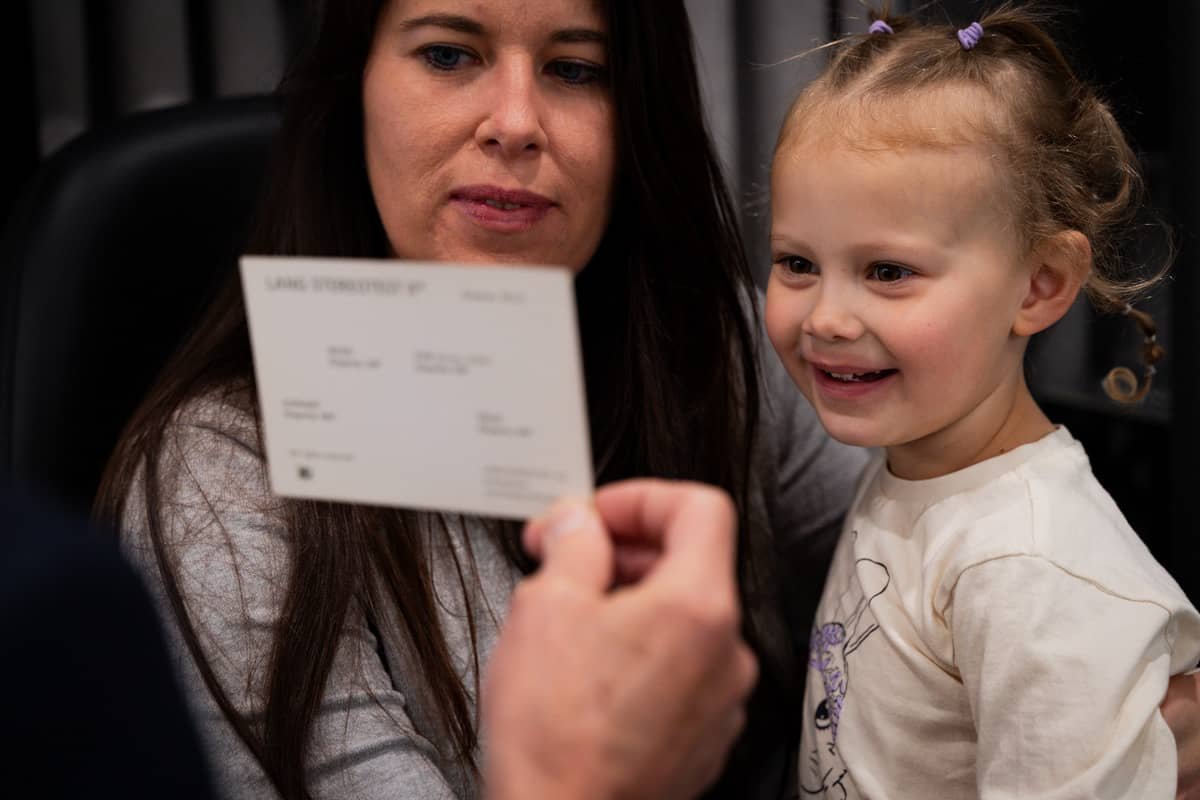
As parents, we all want the best for our children, especially when it comes to their education and development. When children struggle with reading, learning, or attention, it's natural to explore every possible avenue for help. You may have heard about different approaches to vision care and perhaps encountered conflicting information about what can and cannot help your child, especially in the context of vision therapy.
This article aims to clarify what specialised vision care can realistically address, backed by research, so you can make confident decisions about your child's visual development.
Vision is More Than Just 20/20 Eyesight
Many people think that if their child can see clearly (has "20/20 vision"), then their vision is perfectly fine. However, vision is a complex process involving much more than just clarity.
Vision also includes:
Eye coordination - how well the eyes work together
Eye focusing - the ability to shift focus quickly and accurately between distances
Eye movement control - the precision and fluency of eye movements when reading or tracking
Visual processing - how the brain interprets and makes sense of what the eyes see
Similar to how children may struggle with speech, language, or motor coordination despite having normal hearing and muscle strength, vision difficulties can impact a child's visual development even when their eyesight seems perfectly clear.
What Specialised Vision Care Can Help With
Research supports the effectiveness of vision therapy for specific, measurable vision problems:
1. Convergence Insufficiency
This is a common condition where the eyes have difficulty working together when looking at close objects, like when reading. Studies have shown that office-based vision therapy, conducted by an optometrist and/or orthoptist is the most effective treatment for this condition, significantly more effective than simple exercises done at home. [1][2]
2. Binocular Vision Disorders
Problems with how the eyes work together as a coordinated team can cause issues such as eyestrain, double vision, headaches, and difficulty concentrating on tasks, both at near and/or far. Research has shown that vision therapy can successfully improve these coordination problems. [3]
3. Accommodation (Focusing) Problems
Some children and adults struggle to focus efficiently, particularly when shifting between distances or maintaining focus during prolonged reading. These focusing difficulties can be identified through specialised testing and improved through appropriate lenses or vision therapy. [4][5]
4. Eye Movement Control Issues
When reading fluently, smooth and accurate eye movements are required. Research has identified that some children with reading difficulties have measurable problems with the control and accuracy of their eye movements. [6][7][8] Addressing these specific visual skill deficits, with vision therapy, can help remove obstacles to reading performance.
5. Visual Consequences of Brain Injury
Following concussion or mild traumatic brain injury, 20-30% of patients continue to experience visual symptoms beyond three months, including problems with eye movement control, focusing, eye coordination, and light sensitivity. [9][10] Specialised vision rehabilitation has been shown to help these patients return to normal activities more quickly. [11][12][13][14][15]
6. Amblyopia (Lazy Eye) and Strabismus (Eye Turn)
Modern research increasingly supports the use of dichoptic training (activities that train the eyes to work together) and vision therapy as effective treatments for amblyopia and strabismus, particularly when combined with appropriate spectacle correction. [16]
What Specialised Vision Care Does Not Treat
It's equally important to understand what vision therapy is not designed to treat:
Vision Therapy Does Not Cure Dyslexia or Learning Disabilities
This is perhaps the most important point to clarify. Dyslexia and specific learning disabilities are neurocognitive conditions - they are not caused by vision problems.
While some children with dyslexia may also have vision problems (just as some children with dyslexia may also need glasses), treating the vision problem does not cure the dyslexia. The research is clear on this point, and reputable vision care practitioners do not claim otherwise. [17]
What about children who have both vision problems and learning difficulties?
This is where things can get confusing for parents. Research shows that children with conditions like ADHD are actually three times more likely to have convergence insufficiency than other children. [18] Children with reading difficulties are more likely to have certain visual processing or eye coordination problems. [19][20]
The key point is this: If a child has both a learning difficulty (like dyslexia or ADHD) AND a vision problem (like convergence insufficiency), treating the vision problem won't cure the learning difficulty, but it may remove one barrier that's making learning even harder. Think of it this way: if a child has dyslexia and needs glasses, getting glasses won't cure the dyslexia, but it will help them see the page more clearly while they read. Similarly, if a child has dyslexia and has convergence insufficiency, treating the convergence problem won't cure the dyslexia, but it may reduce eyestrain and improve comfort while reading, and also while participating in specialised educational intervention programs that are an appropriate treatment for dyslexia.
The Evidence-Based Approach
Qualified optometrist with an interest in vision therapy:
✓ Conduct comprehensive assessments that go beyond standard eye charts
✓ Use standardised, validated tests to identify specific vision problems
✓ Are clear about what they can and cannot treat
✓ Work as part of a team with educators, psychologists, and other professionals
✓ Base their treatment on research evidence where it exists
✓ Are honest about the limitations of current research in some areas
Qualified optometrist with an interest in vision therapy do not:
✗ Claim to cure dyslexia, ADHD, or learning disabilities
✗ Suggest vision therapy as a substitute for appropriate educational intervention
✗ Promise results that aren't supported by research
✗ Position vision care as a standalone solution for complex learning difficulties
A Collaborative Approach is Best
Children who struggle with learning often benefit from a multi-disciplinary approach. This team may include:
Educational psychologist - for assessment and diagnosis of learning difficulties
Specialisedreading tutors - for evidence-based reading intervention (essential for dyslexia)
Speech-language pathologists - for language and auditory processing issues
Occupational therapists - for motor coordination and sensory processing
Other vision care practitioners – such as an orthoptist, vision therapist or ophthalmologist, for assessment and treatment of specific vision problems
Each professional addresses their specific area of expertise. Vision problems don't cause primary learning disabilities, but when vision problems exist alongside learning difficulties, addressing them can make the overall journey easier.
Questions to Ask
If you're considering specialised vision care for your child, here are some questions that can help you evaluate whether a practitioner is following evidence-based, ethical practices:
"What specific vision problems have you identified through testing?"
"How will treating this vision problem help my child?"
"Are you saying this will cure my child's dyslexia/ADHD/learning disability?" (The answer should be no)
"What research supports this treatment for this specific condition?"
"How will you measure progress?"
"What other professionals should we be working with?"
Making Informed Decisions
Vision problems are real, measurable, and treatable. When appropriately identified through comprehensive assessment, conditions like convergence insufficiency, binocular vision disorders, accommodation problems, and eye movement deficits can benefit from evidence-based treatment.
However, it's crucial to have realistic expectations. Vision therapy is not a cure for dyslexia or learning disabilities, and no reputable practitioner should suggest that it is.
If your child is struggling, start with a comprehensive educational assessment to identify the root cause. If vision problems are suspected or identified, a comprehensive eye examination with an optometrist can determine whether specific visual skills are contributing to the difficulties. The goal is to ensure your child receives the right support for the right problem.
References
[1]: Scheiman M, Kulp MT, Li T, et al. Interventions for convergence insufficiency: a network meta-analysis. Cochrane Database Syst Rev. 2020 Dec 2;12(12):CD006768.
[2]: Alvarez TL, Scheiman M, d'Antonio-Bertagnolli JV, et al. Convergence insufficiency neuro-mechanism in adult population study randomized clinical trial: Clinical outcome results. Optom Vis Sci. 2020 Dec;97(12):1061-1069.
[3]: Ma MM, Kang Y, Chen X, et al. Effect of office-based vergence and anti-suppression therapy on binocular vision and accommodation in small-to-moderate angle intermittent exotropia: A randomised clinical trial. Ophthalmic Physiol Opt. 2025 Jan;45(1):50-66.
[4]: Hoffman LG. The effect of accommodative deficiencies on the developmental level of perceptual skills. Am J Optom Physiol Opt. 1982 Mar;59(3):254-62.
[5]: Redondo B, Vera J, Jiménez R, et al. Attention-deficit/hyperactivity disorder children exhibit an impaired accommodative response. Graefes Arch Clin Exp Ophthalmol. 2018 May;256(5):1023-1030.
[6]: Bucci MP, Nassibi N, Seassau M, et al. Immaturity of the oculomotor saccade and vergence interaction in dyslexic children: evidence from a reading and visual search study. PLoS One. 2012;7(3):e33458.
[7]: Powers MK, Grisham DG, Riles PG. Saccadic tracking skills of poor readers in high school. Optometry 2008; 79:228-234.
[8]: Ibrahimi D, Aviles M, Rodríguez-Reséndiz J. Oculomotor patterns in children with poor reading abilities measured using the development eye movement test. J Clin Med. 2024 Jul 28;13(15):4415.
[9]: Déry V, Lafond G, Picard R, Langevin P. Recovery from mild traumatic brain injury in the nonathletic population: A systematic review. Neurotrauma Rep. 2025:6(1): 355-374.
[10]: Pearson AL, de Haerne CM, Bursztyn L. Visual abnormalities in chronic post-concussion syndrome. Adv Ophthal Optom. 2020;55;171-185.
[11]: Simpson-Jones & Hunt (2019) — Scoping Review, Disability and Rehabilitation A widely cited scoping review examining over 3,000 medical records of patients with mild TBI who underwent vision rehabilitation. The researchers concluded that there are promising interventions for vision deficits following mild traumatic brain injury, including the use of optical devices such as prism glasses, vision or oculomotor therapy using targeted exercises to train eye movements, and a combination of both. They also affirmed that rehabilitation professionals have an important role in screening for and treating functional vision deficits post-injury.
[12]: Möller, Melkas & Johansson (2020) — Brain Sciences (PubMed Central) A clinical case study published in Brain Sciences evaluated vision therapy in patients with mild TBI. The results indicate that vision therapy may strengthen oculomotor function and can make a difference in near task visual functioning, with patients reporting that vision therapy helped them understand their own vision changes and aided their overall recovery.
[13]: Occupational Therapist-Led Remedial Vision Program (2023) — Open Journal of Occupational Therapy A retrospective study examining vision rehabilitation outcomes in adults with mild TBI found statistically significant changes in all outcome measurement scores after remedial vision rehabilitation, with large effect sizes, suggesting that evidence-based vision rehabilitation may improve vision efficiency disorders and vision-related occupational performance and satisfaction.
[14]: Randomised Controlled Pilot Trial — Oculomotor Treatment in TBI Rehabilitation (PMC) A pilot RCT focused on oculomotor treatment during inpatient TBI rehabilitation found that oculomotor dysfunction appears to improve during inpatient TBI rehabilitation with remedial treatment, with selected outcome measures capturing positive improvements.
[15]: Consensus Statement on Visual Rehabilitation in Mild TBI — Neurology Clinical Practice (2022) A formal consensus statement was published in Neurology Clinical Practice specifically to provide involved physicians with guidance about the rationale, evidence, and level of evidence for the efficacy of visual rehabilitation therapeutic approaches following mild TBI, further legitimising vision rehabilitation as a recognised clinical pathway.
[16]: Information regarding modern amblyopia and strabismus treatment approaches based on research supporting dichoptic training and vision therapy combined with appropriate optical correction.
[17]: Joint Statement on Learning Disabilities, Dyslexia, and Vision. American Academy of Pediatrics, American Academy of Ophthalmology, and American Association for Pediatric Ophthalmology and Strabismus. Available at: https://www.aao.org/clinical-statement/joint-statement-learning-disabilities-dyslexia-vis
[18]: Granet DB, Gomi CF, Miller-Scholte A, et al. The relationship between convergence insufficiency and ADHD. Strabismus. 2005 Dec;13(4):163-8.
[19]: Raghuram A, Gowrisankaran S, Waber DP, et al. Frequency of visual deficits in children with developmental dyslexia. JAMA Ophthalmol. 2018 Oct 1;136(10):1089-1095.
[20]: Christian LW, Nandakumar K, Hrynchak PK, Irving EL. Visual and binocular status in elementary school children with a reading problem. J Optom. 2018 Jul-Sep;11(3):160-166.
This article is for educational purposes and should not replace professional advice. If you have concerns about your child's vision or learning, consult with qualified healthcare and educational professionals.
