
The Importance of Regular Comprehensive Eye Examinations
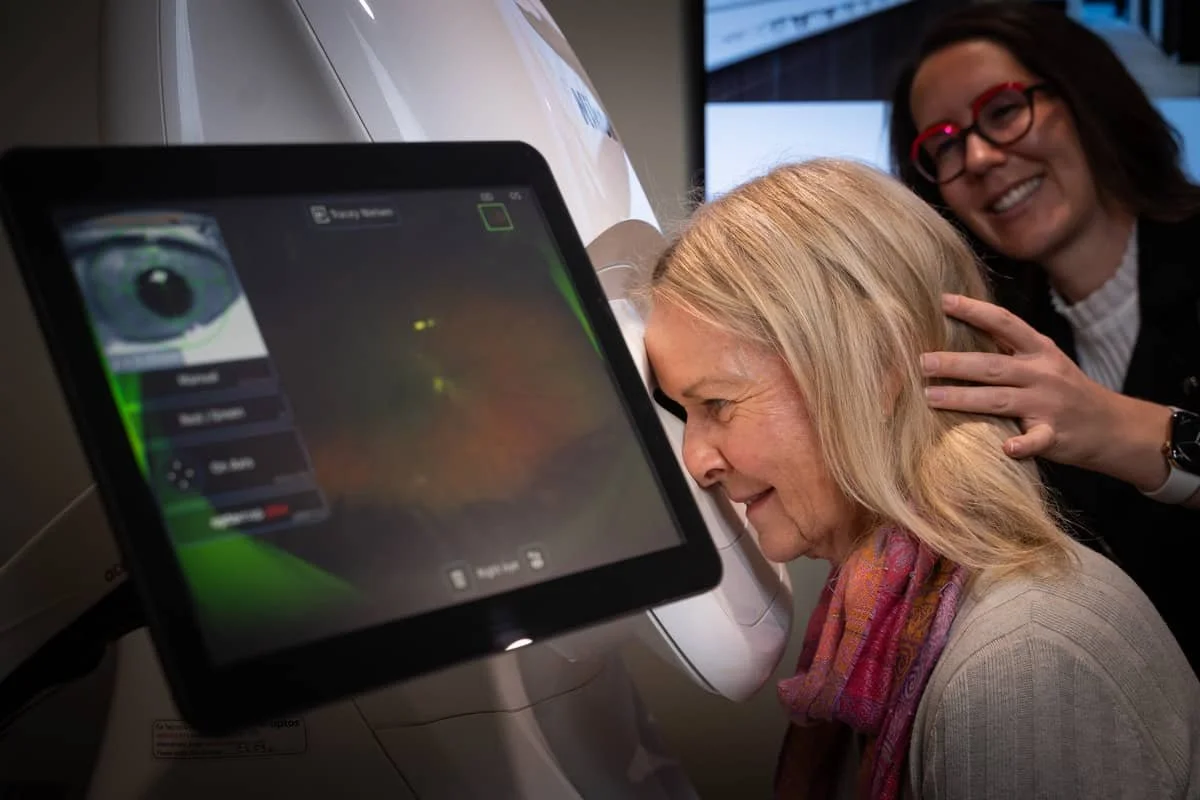
Regular eye examinations are essential for maintaining not only good vision but also overall eye health. Many people assume that if they can see clearly, their eyes are healthy. However, vision clarity alone does not guarantee that the eyes are free from disease. Routine eye exams can detect silent conditions early, often before noticeable symptoms develop.
1. Early Detection of Eye Diseases
Several serious eye conditions develop gradually and may not affect vision in their early stages:
Glaucoma – Often called the “silent thief of sight,” glaucoma can cause irreversible damage to the optic nerve without early warning signs. Many people are unaware they have it until significant vision loss has occurred.
Diabetic retinopathy – A complication of diabetes that can damage the blood vessels in the retina. Early stages may present no symptoms, yet timely treatment can prevent vision loss.
Age-related macular degeneration – A leading cause of vision loss in older adults, which may initially affect only central vision subtly.
Cataract – While cataracts often develop slowly, regular monitoring ensures they are treated at the appropriate time.
According to the World Health Organization (WHO)[1], many causes of vision impairment are preventable or treatable if detected early. Regular examinations play a critical role in reducing avoidable blindness worldwide.
2. Vision Changes Can Be Gradual
The brain adapts remarkably well to small, progressive vision changes. You may not notice:
Reduced peripheral vision
Subtle blurriness in one eye
Difficulty seeing in low light
Early depth perception issues
The Fremantle optometrists at For Eyes Optometrist use specialised equipment to assess eye pressure, retinal health, visual fields, and overall ocular function—tests that go far beyond reading letters on a chart.
Optometry Australia recommends comprehensive eye exams even for individuals without symptoms, because many eye and vision problems have no obvious early signs.
3. Eye Exams Can Reveal Systemic Health Problems
The eyes provide a unique window into the body’s vascular and neurological systems. During a comprehensive eye exam, professionals may detect signs of:
Diabetes
High blood pressure
High cholesterol
Autoimmune disorders
Brain tumours (through optic nerve changes)
In some cases, optometrists are the first healthcare providers to identify these conditions.
In Australia, 1.7 million people have diabetes[2]. Over time, virtually all people with Type 1 and 60% of people with Type 2 diabetes are affected by diabetic retinopathy, which can cause blindness if left untreated.[3] Glaucoma, which can cause vision loss or blindness in the end-stages of the disease, develops slowly and often without symptoms. Early detection flowed by treatment is crucial to prevent vision loss.
4. Children and Young Adults Also Need Exams
Children may not realise their vision is impaired because they assume everyone sees the same way they do. Undiagnosed vision problems can affect:
Learning and reading ability
Attention and behaviour
Athletic performance
Regular screenings help ensure proper visual development and academic success.
5. Digital Eye Strain and Modern Lifestyle Factors
With increased screen time, many people experience symptoms of digital eye strain, including headaches, dryness, and blurred vision. Even if distance vision is clear, prescription adjustments or guidance on visual ergonomics may be necessary.
How Often Should You Have an Eye Exam?
Frequency depends on age, health status, and risk factors. Generally:
Children: Prior to commencing school and earlier if concerns/issues/family history of significant myopia or hyperopia (refer https://www.foreyes.com.au/news/when-should-parents-take-kids-to-optometrist, for more information)
Adults (18–65): Every 1–2 years, or if a contact lens wearer every 12 months
Adults over 65: Annually
Individuals with diabetes or family history of eye disease: annually or as advised by our optometrists
Frequently Asked Questions
Why is it important to have regular eye exams?
Regular eye exams are important because good vision does not always mean healthy eyes. Many eye diseases develop slowly and without symptoms, so problems can go unnoticed until permanent damage has occurred.
Routine eye exams allow optometrists to detect conditions such as glaucoma, diabetic retinopathy, macular degeneration, and cataracts at an early stage. Early detection significantly improves treatment outcomes and helps prevent avoidable vision loss. Eye exams can also reveal signs of broader health issues, including diabetes and high blood pressure, making them an important part of overall health care.
What’s the difference between a comprehensive eye exam and a regular eye exam?
A comprehensive eye exam assesses both vision and the overall health of the eyes, while a regular or limited eye test may focus mainly on whether glasses or a prescription change is needed.
A comprehensive eye exam includes tests for eye pressure, retinal and optic nerve health, peripheral vision, eye coordination, and early signs of eye disease or systemic health conditions. These checks go beyond reading an eye chart and are essential for detecting silent eye diseases that may not affect vision in their early stages.
How often should you get a comprehensive eye exam?
The recommended frequency for comprehensive eye exams depends on age, health, and risk factors:
Children should have an eye exam before starting school and earlier if there are concerns or a family history of eye conditions
Adults aged 18 to 65 should have an exam every one to two years, or every 12 months if they wear contact lenses
Adults over 65 should have an eye exam every year
People with diabetes or a family history of eye disease should have annual exams or follow their optometrist’s advice
Even without symptoms, regular comprehensive eye exams are essential to protect long-term eye health.
References
[1] World Health Organization. World report on vision. Available from: https://www.who.int/publications/i/item/world-report-on-vision
[2] OA. The importance of regular comprehensive eye examinations. Available from: https://www.optometry.org.au/wp-content/uploads/Policy/Advocacy/202410_The-importance-of-regular-comprehensive-eye-examinations_FINAL.pdf
[3] OA. Working Together for Better Eyecare, Optometry Australia. 2021. Available from: https://www.optometry.org.au/wp-content/uploads/Working-Together-for-Better-Health-Care-update-16Aug2021-update.pdf
