
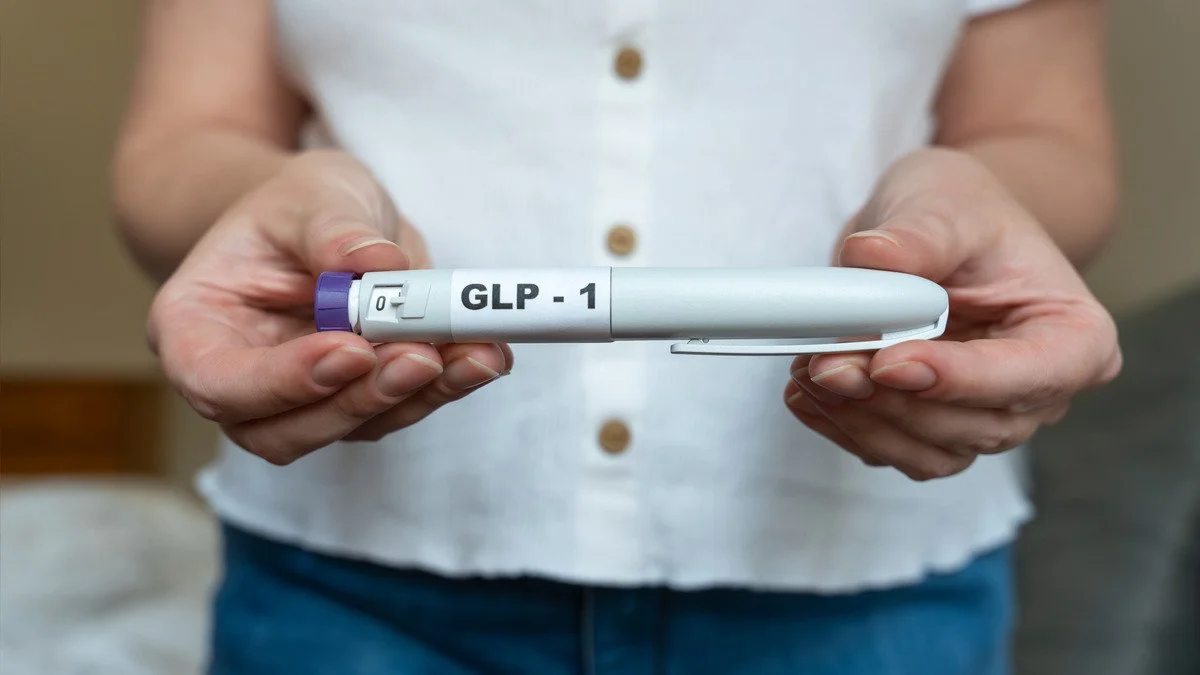
GLP-1 medicines can be very helpful for managing type 2 diabetes, weight-related health conditions, and cardiovascular risk. For most people, the benefits are important, and the risk of serious eye complications remains very low.[2][3][1]
If you are taking one of these medicines, there is no need to panic. The most important thing is to know which eye symptoms need urgent attention and to seek help quickly if they happen.[3][2]
What are GLP-1 medicines?
GLP-1 medicines are prescription treatments used for diabetes and, in some cases, weight management and cardiovascular risk reduction. In Australia, examples include semaglutide products such as Ozempic, Wegovy and Rybelsus, and tirzepatide such as Mounjaro.[4][5][6][7]
These medicines are prescribed because the expected health benefits can be significant. They should only be used under medical supervision, and decisions about starting, stopping, or changing treatment belong with the prescribing doctor.[2][3]
What eye risk is being discussed?
A very rare eye condition called non-arteritic anterior ischaemic optic neuropathy, or NAION, has been linked to semaglutide in recent safety reviews. NAION can cause sudden, painless vision loss, usually in one eye.[1][3][2]
Regulators have described this as a very rare possible side effect, with an estimated frequency of up to 1 in 10,000 people taking semaglutide. Even so, the absolute risk remains low.[8][3][2]
What symptoms matter?
Seek urgent eye care immediately if you notice any of the following while taking a GLP-1 medicine:[3][2]
Sudden painless loss of vision in one eye.
A sudden dark patch, shadow or missing area in your vision.
Blurred, dim or cloudy vision that comes on suddenly.
Reduced colour vision.
Rapidly worsening eyesight.
These symptoms should not be watched and waited on. Prompt presentation is critical.[2][3]
What should I do if this happens?
If you have sudden vision loss or other critical symptoms, attend a hospital emergency department straight away for urgent ophthalmology assessment.[3][2]
If you present first to an optometrist, the optometrist can and will urgently refer you directly to a hospital emergency department or ophthalmologist if your symptoms suggest a sight-threatening problem. The goal is to get the right urgent care without delay.[1][2][3]
What will the optometrist do?
During your diabetic retinopathy eye examination, the optometrist will ask about your medicines, including GLP-1 treatment, and record relevant health information such as diabetes, blood pressure, cardiovascular disease and previous eye history.[2][3]
The optometrist will check your eyes for signs that may suggest an optic nerve problem and will act promptly if any symptoms or findings are concerning. This includes urgent referral when needed, rather than trying to manage a possible medical emergency in the consulting room.[1][3][2]
Should I stop my medicine?
Do not stop or change your GLP-1 medicine on your own. Decisions about starting, stopping or switching treatment should be made by the doctor who prescribed it, because they need to weigh the full benefits and risks for your individual situation.[3][2]
For most patients, the benefits still outweigh the very rare risk of NAION. The aim is not to discourage appropriate treatment, but to make sure warning symptoms are recognised early.[1][2][3]
A note about buying medicines online
GLP-1 medicines should only be obtained through legitimate healthcare providers. Medicines sourced from unregulated or online sellers may be counterfeit, contaminated or incorrectly dosed, and they may increase the risk of harm.[2]
When to seek help
If your vision changes suddenly, do not wait for your next appointment. Seek urgent care the same day, and bring a list of all your medicines, including weight-loss injections or tablets.[9][3]
References
The College of Optometrists. 2026, GLP-1 therapies: balancing benefits with rare ocular risks, The College of Optometrists, London.[2]
Semaglutide use and NAION risks with references. 2026, patient information sheet, attached document.[3]
Therapeutic Goods Administration (TGA) 2025, ACM meeting statement, Meeting 53, 3 October 2025, TGA.[1]
Diabetes Australia 2024, Wegovy to be available in Australia, Diabetes Australia.[4]
Hormones Australia 2023, New diabetes drug Mounjaro approved by the TGA, Hormones Australia.[5]
Pharmacy Daily 2022, Wegovy gets green light from TGA, Pharmacy Daily.[6]
RACGP 2025, Wegovy approved for cutting cardiovascular disease risk, RACGP.[7]
Therapies-balancing-benefits-with-rare-ocular-risks.pdf
Semaglutide-use-and-NAION-risks-with-references.docx
https://www.diabetesaustralia.com.au/news/wegovy-to-be-available-in-australia/
https://www.hormones-australia.org.au/new-diabetes-drug-mounjaro-approved-by-the-tga/
https://pharmacydaily.com.au/news/wegovy-gets-green-light-from-tga/102399
https://www1.racgp.org.au/newsgp/clinical/wegovy-approved-for-cardiovascular-disease-in-over
https://www.who.int/news/item/27-06-2025-27-06-2025-semaglutide-medicines-naion
https://www.medicalrepublic.com.au/new-diabetes-drug-wins-tga-approval/16572
https://www.australianpharmacist.com.au/tga-issues-two-new-safety-alerts-for-glp-1-ra-products/
https://www.novonordisk.com.au/our-products-for-healthcare-professionals.html
